
Why Pulses Vanishing From US Fact Sheet Signals Trade Tension

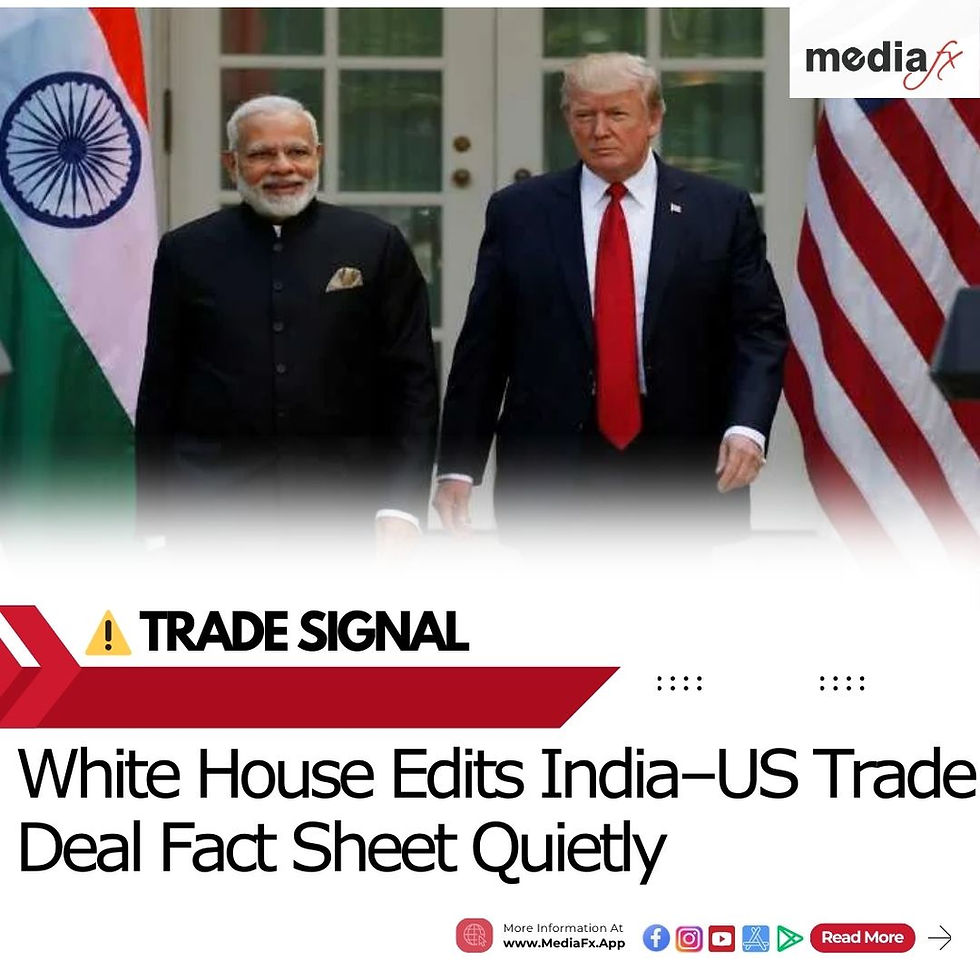
A quiet edit in Washington is raising loud questions in Delhi.
The White House has reportedly removed references to pulses from its official fact sheet on the proposed India–US trade deal. No big announcement. No dramatic press conference. Just a silent rewrite.
But in trade diplomacy, every word counts.
Earlier versions reportedly included language around agricultural market access that touched on pulses — a politically sensitive sector in India. Now, that reference is gone. And when something disappears mid-negotiation, it usually means one thing: talks aren’t settled.
Pulses aren’t just another commodity. India is one of the largest producers and consumers globally, and millions of small farmers depend on price stability in this sector. Any tariff reduction or import shift could impact rural incomes directly.
In simple terms: when agriculture enters a trade deal, politics follows.
Why this matters: For Gen-Z Indians tracking global economics, this is a reminder that trade agreements are not just about tech and defence — they affect dal prices, farm incomes, and domestic power equations.
There’s also a quiet imbalance here. Big economies negotiate in boardrooms, but the consequences land in villages. Protecting farmers while pushing global trade access is a tightrope every government must walk.
The removal doesn’t mean the deal is collapsing. It signals recalibration. In global trade, silence is strategy.
The real question now: is this a pause, a compromise, or pressure behind closed doors?



Comments