
Cancer Cells Hide Behind a ‘Sugar Shield’ Scientists Find a Way to Thin It

Scientists have identified a potential new way to make cancer cells more visible to the immune system by thinning a sugar-rich protective layer that surrounds them.
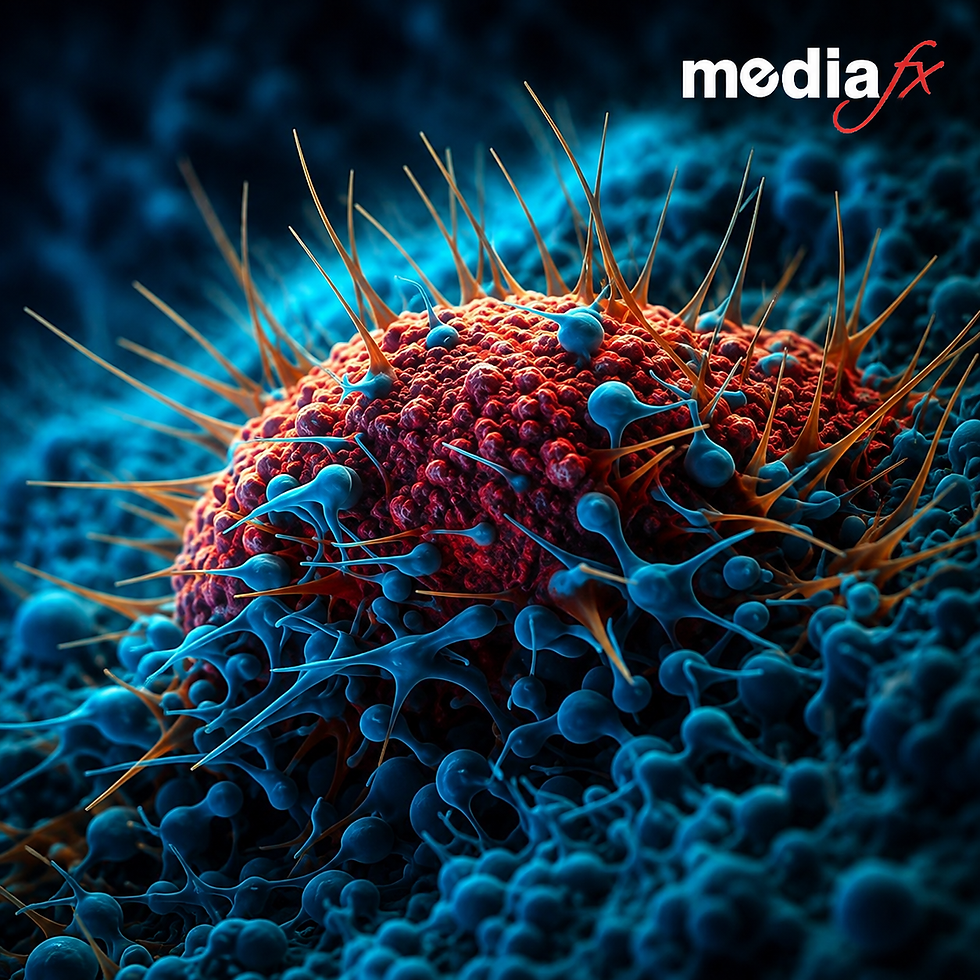
Researchers at Sanford Burnham Prebys Medical Discovery Institute and collaborating institutions found that changes in a tumour’s surrounding environment can cause cancer cells to build a thicker glycocalyx a coating made largely of sugar-derived molecules. The findings were published on August 7 in Science Advances.
How Cancer’s ‘Sugar Shield’ Works
The outer surface of cells is covered in carbohydrates attached to proteins and fats. Together, these structures form the glycocalyx.
In cancer cells, this coating can become unusually thick and may make it harder for immune cells to recognise and destroy the tumour. The researchers investigated how metabolism and the physical environment surrounding cancer cells influence this protective layer.
High Glucose Made the Coating Thicker
The team grew cells under different conditions, including environments designed to mimic the stiffer surroundings of primary tumours and softer environments resembling normal tissue.
They also compared normal glucose conditions with high-glucose conditions. Under physiologically relevant culture conditions, excess glucose or hyperglycaemia increased the thickness of the cancer-cell glycocalyx.
Scientists Identify HSF1 as a Key Player
Researchers traced part of the process to a protein called heat shock factor 1, or HSF1.
When HSF1 was present under tumour-like conditions, high glucose increased cancer cells’ ability to evade immune attack. Blocking or removing HSF1 altered the composition of the sugar coating and prevented it from becoming as thick.
This suggests HSF1 could eventually become a drug target for weakening the protective glycocalyx around cancer cells.
Could This Improve Immunotherapy?
The researchers believe that stripping away part of this protective surface could potentially help immune cells recognise cancer more effectively.
That could eventually complement existing cancer immunotherapies, which work by helping the immune system identify and attack malignant cells. Researchers also see potential relevance for metastatic cancers that have developed mechanisms to escape immune surveillance.
Possible Link Between High Blood Sugar and Cancer
The research may also provide a biological explanation for one aspect of the relationship between hyperglycaemia and cancer outcomes.
Lead researcher Kevin Tharp said the results suggest a plausible mechanism by which high glucose levels could help cancer cells evade immune detection by promoting changes to their surface coating under specific tumour-like conditions.
Importantly, the study does not show that eating sugar directly “feeds” or causes cancer, nor does it establish that lowering blood sugar will remove tumours. The research examined cellular and metabolic mechanisms and should not be interpreted as dietary treatment advice.
Still an Early-Stage Discovery
The findings represent preclinical research, not a new cancer treatment currently available to patients.
Scientists would still need to develop safe ways of targeting pathways such as HSF1, test potential drugs in further laboratory and animal studies, and ultimately conduct human clinical trials before determining whether this approach can improve cancer outcomes.
The study, titled The microenvironment dictates glyco-immune surveillance via HSF1-mediated metabolism, was published in Science Advances with DOI 10.1126/sciadv.aeb1136.


Comments